Plans · United States
Which of the six US Starlink plans fits you?
Three home tiers and three travel tiers. Here is what each one cost on Starlink’s national list, how fast it runs and which household it suits, so you reach starlink.com already knowing your pick.
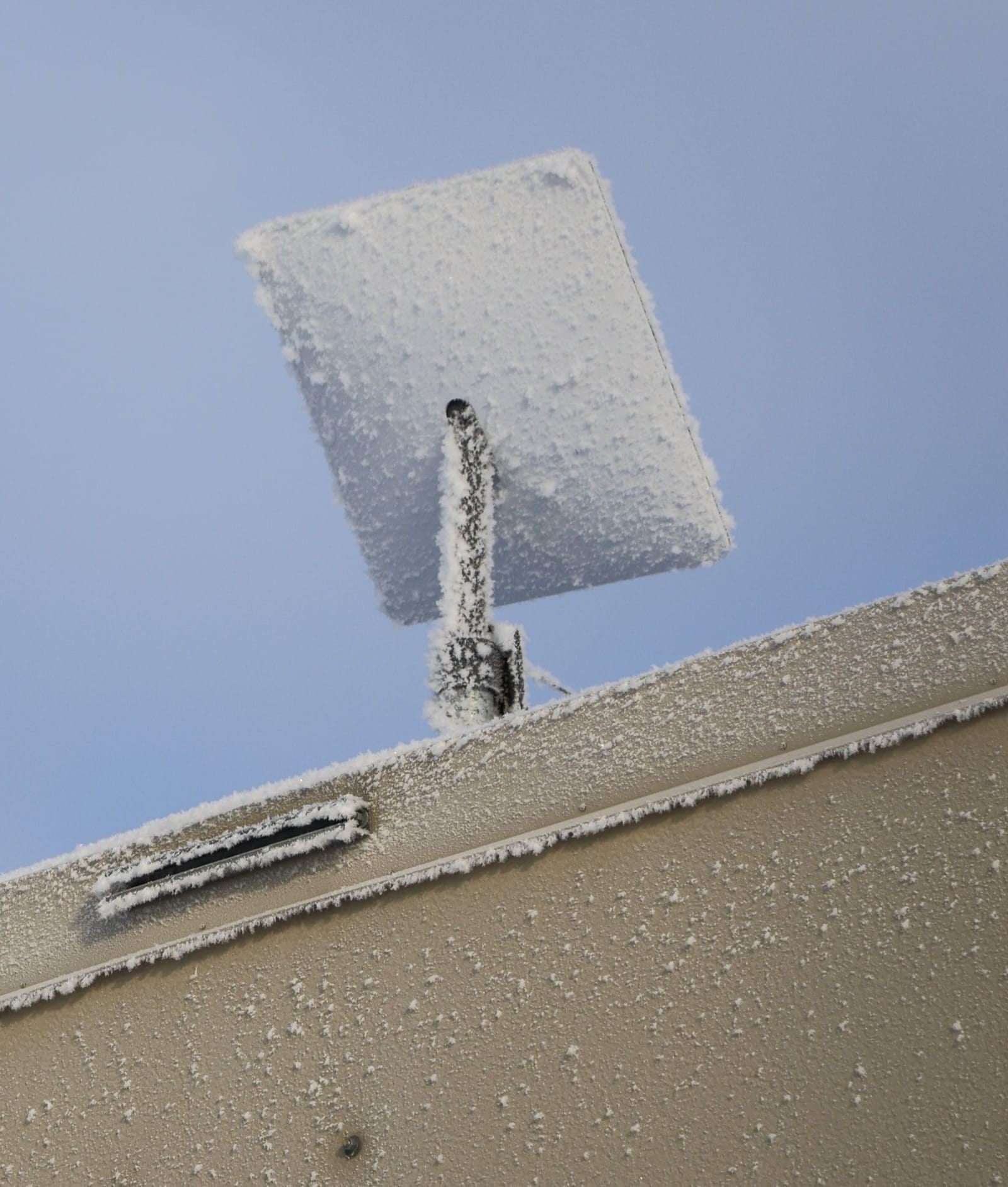
Our pick: for a house, most households should choose Residential 200 Mbps ($76.50/mo on the national order list Starlink showed on Nov 4, 2026, with free professional install). Light users can take Residential 100 Mbps where it’s sold, and the busiest homes fit Residential Max. On the road, begin with Roam 100GB ($55/mo) and move up only if you live on the road.
What do the six US plans cost and include?
Starlink’s nationwide price list, read on Nov 4, 2026, put the three home tiers at $49.50/mo (100 Mbps), $76.50/mo (200 Mbps) and $143/mo (Max), each with unlimited data. The Roam travel tiers were $55/mo, $80/mo and $175/mo. A home price is tied to the address, and you see yours on starlink.com after typing it in; Roam costs the same nationwide.
| Plan | Monthly (Nov 4, 2026 level) | Expected speed | Data | Best for |
|---|---|---|---|---|
| Residential 100 Mbpssome areas only | $49.50/moOct 29: $44 or $49.50 · Oct 21: $55 | 80–100 Mbps down, 15–35 Mbps up (expected, not guaranteed) | unlimited data on all three Residential plans | 1–2 people who browse, stream in HD and take the odd video call |
| Residential 200 Mbpssome areas onlyfree pro install | $76.50/moOct 29: $68 or $76.50 · Oct 21: $85 | 80–200 Mbps down, 15–35 Mbps up (expected, not guaranteed) | unlimited data on all three Residential plans | most households: 3–4 people, 4K streaming, gaming or daily video calls |
| Residential Maxfree pro install | $143/moOct 29: $104, $117, $143 or $156 · Oct 21: $130 | up to 400+ Mbps down, 20–40 Mbps up; the Specifications point to the map for local figures | unlimited data on all three Residential plans | busy homes of 5+, or several heavy uses at once (adds a Mini rental and 50% off Roam) |
| Roam 100GB | $55/mo | 65–260 Mbps down, 15–35 Mbps up (expected, not guaranteed) | 100 GB at full speed each billing cycle, after which data keeps flowing at roughly 500 Kbps; unused gigabytes don’t carry over | regular trips with light use: maps, messages, email, some streaming |
| Roam 300GB | $80/mo | 65–260 Mbps down, 15–35 Mbps up (expected, not guaranteed) | 300 GB at full speed each billing cycle, after which data keeps flowing at roughly 500 Kbps; unused gigabytes don’t carry over | frequent travel or part-time RV life with streaming and work |
| Roam Unlimited | $175/mo | 65–260 Mbps down, 15–35 Mbps up (expected, not guaranteed) | unlimited high-speed data; up to 30 days in a row abroad in 160+ countries | full-time RVers and remote workers on the road |
Monthly figures are the levels starlink.com listed nationally on Nov 4, 2026, before tax. A home (Residential) price depends on the address, and the order page reveals it only after you type yours in; the nationwide levels have moved several times since October 2026. Roam costs the same everywhere in the US.
First fork: home or travel?
Residential plans belong to one service address and come with unlimited data. They’re the right family for a house you live in. Roam plans are built to move: they work anywhere in the US, including while driving, but the two lower tiers limit how much full-speed data you get each month (100 GB at full speed each billing cycle, after which data keeps flowing at roughly 500 Kbps; unused gigabytes don’t carry over on Roam 100GB).
That’s the whole first decision. A dish that stays on one roof means Residential. A dish that rides in an RV, van, boat or truck means Roam. Need both? Read the Max section: it comes with a travel dish.
Which home plan fits your house?
Count the people and the heavy uses in your busiest evening hour. One or two people who browse and stream HD fit Residential 100 Mbps where it’s sold; three or four with 4K, games or calls fit 200 Mbps; five or more heavy users fit Max. The Nov 4, 2026 national list had them at $49.50/mo, $76.50/mo and $143/mo, and your address can show other levels.
Residential 100 Mbps: the light-use tier
Expected speed is 80–100 Mbps down, 15–35 Mbps up (expected, not guaranteed), with downloads capped at 100 Mbps. That covers one or two people who browse, stream in HD and take the odd video call. Two catches: it’s sold in select areas only, and Starlink’s plan descriptions say on a congested network the 100 and 200 Mbps tiers slow down before Max does.
Residential 200 Mbps: where most homes land
Expected speed is 80–200 Mbps down, 15–35 Mbps up (expected, not guaranteed). The step up buys headroom: a family of three or four can run a 4K stream, a game and a video call at once without fighting over bandwidth. It also includes free professional installation, which is worth real money when your best sky view is on the roof. Like the 100 Mbps tier, it’s sold in select areas only.
Residential Max: priority, plus a travel dish
Max is the top home tier: up to 400+ Mbps down, 20–40 Mbps up; the Specifications point to the map for local figures, plus the highest Residential priority when the network is congested. On top of that, Max subscribers can add a rented Mini with no monthly charge and take half off eligible Roam plans for as long as they keep Max. The travel extra mostly pays off for heavy travelers on Roam Unlimited: where the 100 and 200 Mbps tiers get their own 20% Roam rate, the cheaper home plan plus Roam usually costs less (see our home-plus-travel math). Free professional installation is included.
Which Roam plan fits your trips?
Pick by how much you’ll stream away from home. Weekend and vacation trips fit Roam 100GB, frequent or part-time RV travel fits Roam 300GB, and living or working on the road fits Roam Unlimited. On Nov 4, 2026 Starlink listed them at $55/mo, $80/mo and $175/mo. All three share one expected speed, 65–260 Mbps down, 15–35 Mbps up (expected, not guaranteed), and all allow use on the move.
- Roam 100GB, $55/mo: 100 GB at full speed each billing cycle, after which data keeps flowing at roughly 500 Kbps; unused gigabytes don’t carry over. Enough for regular weekends and vacations with maps, messages, email and some streaming.
- Roam 300GB, $80/mo: 300 GB at full speed each billing cycle, after which data keeps flowing at roughly 500 Kbps; unused gigabytes don’t carry over. For frequent travelers and part-time RVers who stream and work.
- Roam Unlimited, $175/mo: unlimited high-speed data; up to 30 days in a row abroad in 160+ countries. For full-time RVers and remote workers on the road.

Starlink also notes that Roam lines also slow down before Max lines when the network is congested, and its own documents describe the 100GB and 300GB coverage area two ways (“registered country” in one, “US & Canada” in another). If you cross the border often, check starlink.com before you buy.
What do you pay besides the monthly price?
Three things on top of the plan: the dish, a possible one-time demand surcharge, and shipping with tax. In starlink.com’s Nov 4, 2026 kit prices, the Standard and V5 home dishes were $349 to buy and the Mini $149; rented home dishes instead carried a one-off activation charge ($0, $99 or $199). Your address decides which offer you see.
- The dish. your address decides whether the home kit is a rental or a purchase; on Nov 4, 2026 every Residential entry on the national list was a rental. For rentals, rented kits add a monthly rental charge, listed at checkout, above the service price.
- A possible demand surcharge. where demand runs high, checkout can add a demand surcharge, charged once, with the amount set by address and plan.
- Shipping and tax. shipping and handling are charged on every order and stay unrefunded even when the kit comes back.
The first-year comparison puts these next to twelve months of service for any two picks.
Which plan should you pick?
Size the plan to the busiest hour of your week, not the average one. If three people stream, game and take a call at 8 p.m., that’s a 200 Mbps household even if mornings are quiet. If one person reads email and watches HD, 100 Mbps is enough where it’s sold. If you also travel, price the home plan you need plus a Roam plan: Max’s 50% Roam rate rarely beats Residential 200 Mbps with its 20% rate where that’s offered. Still torn? The chooser asks five questions and names one.
More about the six plans
Do Starlink home plans have a data cap?
No. Every Residential tier comes with unlimited data. Roam 100GB and 300GB slow to about 500 Kbps once the monthly allowance is used; Roam Unlimited keeps full speed.
Is there a contract?
Starlink’s regular plans have no fixed term. Its Terms of Service also describe optional 12- and 24-month commitments that come with a free kit and cost $249 or $325 to change; if checkout offers one, read it before you accept. Cancel with a rented kit and Starlink expects it back within a month; miss that and you pay the full kit price.
What happened to Residential Lite?
In the US it’s now called Residential 200 Mbps. Starlink’s referral help page still shows the old names beside the new ones.
Can I switch plans later?
Yes, from your Starlink account. Choose the plan that fits today; there’s no need to buy for a future you might not have.
Sources and checks
Every price and rule on this page was checked against these sources; the oldest check is . Prices move, so starlink.com at your address is always the final word.
- Help center: demand surcharge (seen Nov 3, 2026)
- Help center: renting a kit (seen Nov 3, 2026)
- Help center: Residential tiers (seen Nov 3, 2026)
- Help center: the referral program (seen Nov 3, 2026)
- Special Offers terms, US (seen Nov 3, 2026)
- Specifications document, US (seen Nov 3, 2026)
- Starlink plan descriptions (US, DOC-1728-44881-79) (seen Nov 3, 2026)
- starlink.com order-page code (our reading) (seen Nov 3, 2026)
- starlink.com Residential order page (US, no address) (seen Nov 4, 2026)
- starlink.com Roam order page (US) (seen Nov 4, 2026)
- Terms of Service, US (seen Nov 3, 2026)
- US referral terms, version of Oct 7, 2026 (seen Nov 4, 2026)